
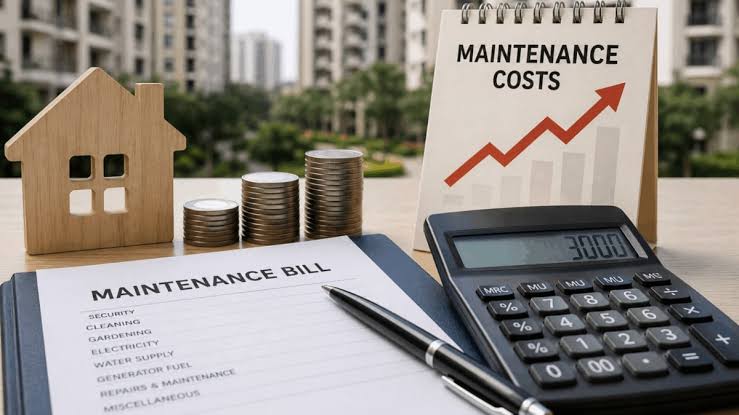
Society Maintenance Hike: Can an RWA Raise Charges Without Asking You?
You open your phone and there it is. A message from the society office. From next month, maintenance goes up, and nobody asked you a thing. So can they do that? Mostly, no. A society maintenance hike normally needs members to approve it at a general body meeting, as per the society’s bye-laws and state law. We’re True Asset Consultancy. We’re not lawyers, so think of this as a plain guide to how it should work, and what you can do if it doesn’t.
The Short Answer, and the One Catch
A committee can suggest a society maintenance hike. It usually can’t just announce one. Different guides say the same thing: a hike needs a resolution at a general body meeting, and if it’s pushed through without one, you can challenge it.
Here’s the catch. Every society has its own bye-laws, and whatever they say is what counts. Some let the committee change charges within a limit. So before you argue with anyone, read your bye-laws. They’re the rulebook.
Who Decides Maintenance, and When
It depends on where your society is in its life.
| Stage | Who runs maintenance | Who sets the charges |
| Before handover | The builder | The builder, under your sale agreement. RERA rules apply. |
| After the RWA or association takes over | The managing committee | Members, at a general body meeting |
In a new project, the builder often runs things for a year or two, then hands over to the residents. Under RERA, the builder stays responsible until the RWA is properly formed. Charges should be clear, and maintenance money should sit in a separate account.
In Haryana, many societies are registered under the Haryana Apartment Ownership Act, 1983, and some under the societies law. Ask your committee which one covers yours.
What a Proper Maintenance Hike Looks Like
A fair hike usually goes like this:
- The committee shares a budget and explains why costs are going up
- Members get notice of the meeting, with enough time to read it
- The hike is talked about at the AGM or a special meeting
- Members vote
- The decision goes into the minutes
- You get the new rate in writing
If a step is missing, ask why.
Signs It Wasn’t Done Properly
- You got a notice, but no meeting ever happened
- There was no budget, and nobody explained the numbers
- A few people decided in a tiny meeting
- Nobody shared the minutes afterwards
- The charge jumped by a lot overnight
- A new “special fund” showed up that nobody voted on
Any one of these is reason enough to start asking questions.
What Counts as Fair?
Courts and guides agree on a few basics:
- Charges should be reasonable and backed by accounts
- Similar flats should pay similar amounts
- You can ask to see the accounts, audit reports and minutes
- Nobody should be fined without a notice and a chance to explain
- Charging tenants more than owners is a common complaint, and one you can challenge
How the charge is broken also matters. Some communities charge by region, and others charge one flat rate for everyone. Whatever method members authorised is the one that applies.
What You Can Do, Step by Step
- Ask for the reasonable price. Note to the committee and ask how they operate out the new number.
- Ask for the accounts and minutes. You’re allowed to see them.
- Raise it at the next general body meeting. That’s where hikes are meant to be decided, so speak up and vote.
- Send a written grievance. Keep a copy of everything.
- Go higher if nothing changes. Relying on your society, that could be the registrar, RERA (if the builder still runs maintenance), a buyer forum or a civil court.
Talk to a resident lawyer before you send a lawful notice, since rules vary by state and by how your community is registered.
Should You Keep Paying While You Argue?
People ask this the most, and there’s no easy answer. Stop paying, and the society can add interest, charge penalties or take action under its bye-laws. Plenty of residents pay and write “paid under protest” while they dispute it. That’s common practice, not a guarantee, so ask a lawyer before you decide.
Buying a Flat? Ask About Maintenance First
If you haven’t bought yet, you can dodge a nasty surprise with a few questions. At True Asset Consultancy, we ask buyers to check these before paying a token:
- What’s the maintenance per sq ft right now?
- Who runs the society, the builder or the RWA?
- When was the last hike, and how big was it?
- Are the accounts audited?
- Does the flat you’re buying have pending dues?
Chat with a few neighbours as well. They’ll tell you more than any brochure.
FAQs
Can the committee raise maintenance just because costs went up?
Rising costs are a fair reason to propose a hike. But it still needs approval the way your bye-laws say, usually at a general body meeting. A notice on its own doesn’t make it valid.
What if most members vote yes and I don’t agree?
If it was passed the right way, you’ll usually have to pay it. You can still ask for the accounts, and challenge it if the meeting or the numbers look wrong.
Can they charge me more because I rent out my flat?
It’s a common complaint, and you can challenge it. Similar flats should pay similar amounts. Check your bye-laws and ask for the reason in writing.
Where do I complain if the RWA won’t listen?
Start with a written complaint to the committee. After that, depending on your society, you can go to the registrar, a consumer forum or a civil court. If the builder still runs maintenance, RERA is an option too.
What should I check before buying in a society that keeps hiking charges?
Ask for the last three years of maintenance rates, the audited accounts and a no-dues letter. Need help with a purchase? Call TrueAsset Consultancy and we’ll go through the papers with you.